
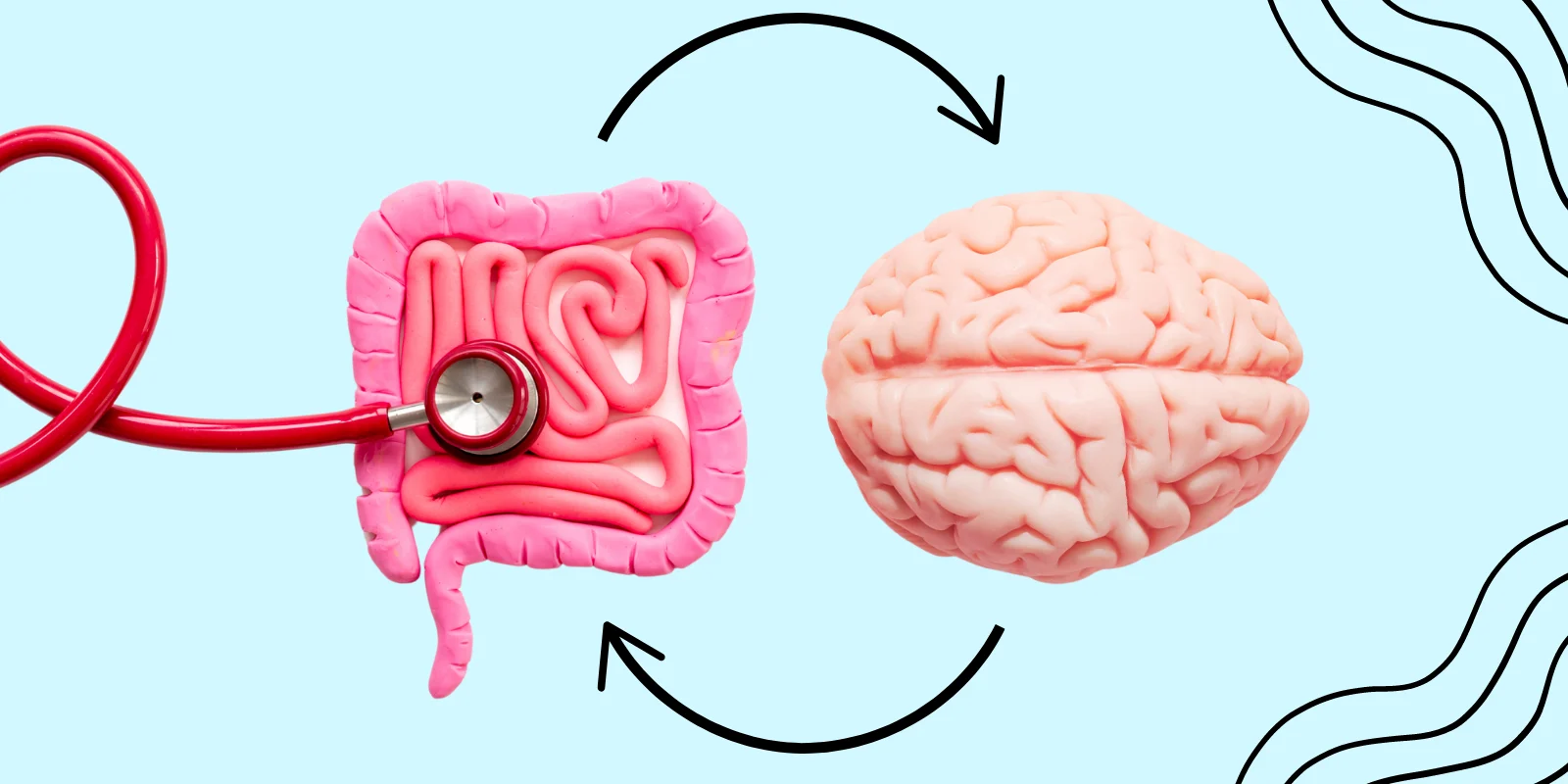

Have you ever noticed that stress affects your stomach, or that digestive discomfort can leave you feeling tired, distracted or low? This is not simply a coincidence. The digestive system and the brain communicate with each other continuously through a complex network known as the gut-brain axis.
The connection works in both directions. The brain can influence digestion, while signals from the gut can influence mood, stress responses, appetite and aspects of cognitive function. Understanding this relationship can help us look at digestive health as an important part of overall wellbeing.
At PALMED Speciality Clinic, our approach to gastroenterology goes beyond treating symptoms. We believe in understanding the individual as a whole and considering factors such as diet, lifestyle, sleep, stress and physical health alongside digestive concerns.
What Is the Gut-Brain Connection?
The gut-brain connection refers to the continuous communication between the gastrointestinal tract and the brain.
Your digestive system contains millions of nerve cells and is closely connected with the nervous system. It also contains trillions of microorganisms, collectively known as the gut microbiome, which interact with the digestive system and contribute to several biological processes.
Communication between the gut and brain takes place through several pathways, including:
- The nervous system
- The vagus nerve
- Hormonal signals
- Immune system activity
- Chemical substances produced by gut microorganisms
This means that what happens in your digestive system can send signals to your brain, and your emotional and mental state can also affect how your digestive system functions.
How Does the Gut Communicate With the Brain?
One of the important pathways connecting the gut and brain is the vagus nerve. It carries signals in both directions and plays an important role in regulating functions such as digestion and the body’s response to stress.
The gut also produces and responds to various hormones and chemical messengers. Meanwhile, microorganisms living in the intestine can produce substances that interact with the nervous and immune systems.
The immune system is another important part of this communication network. Changes in the gut environment can influence immune activity, while inflammation and other processes can affect how the body and brain function.
This is why gut health cannot always be considered separately from the rest of the body.
Can Stress Affect Your Gut?
Absolutely.
When you experience stress, your brain activates physiological responses that can influence your digestive system. You may notice changes in:
- Bowel movements
- Appetite
- Digestion
- Abdominal discomfort
- Bloating
- Acid reflux symptoms
- Existing IBS symptoms
Some people experience diarrhoea during stressful situations, while others may develop constipation or abdominal discomfort.
This does not mean that every digestive symptom is caused by stress. Gastrointestinal symptoms can have many different causes, and persistent or concerning symptoms should be evaluated by a qualified medical professional.
However, stress can be an important factor that deserves attention.
Can Gut Problems Affect Your Mood?
The relationship also works in the opposite direction.
When someone experiences ongoing bloating, abdominal pain, irregular bowel movements or other digestive symptoms, it can affect their daily activities and quality of life. Constant physical discomfort may contribute to frustration, poor sleep and emotional distress.
Research into the gut microbiome and gut-brain axis is continuing to explore how intestinal microorganisms and their metabolic products may influence brain and nervous-system function.
It is important, however, not to oversimplify the relationship. Gut health is one part of a much larger picture. Mood and mental wellbeing are influenced by many factors, including genetics, environment, relationships, sleep, lifestyle and physical health.
The Role of the Gut Microbiome
The gut microbiome is the community of microorganisms that live in our digestive tract. A healthy and diverse microbiome supports normal digestive and immune functions.
The composition of the microbiome can be influenced by several factors, including:
- Diet
- Physical activity
- Sleep
- Stress
- Medications
- Illness
- Lifestyle habits
A varied diet containing appropriate amounts of fibre and a range of plant-based foods can help support a healthy gut environment. However, there is no single diet that is perfect for everyone.
People with conditions such as IBS, inflammatory bowel disease or other gastrointestinal disorders may need an individualised dietary approach rather than simply following general internet advice.
How Can You Support Your Gut and Brain?
There is no single magic solution for maintaining the gut-brain connection. Instead, several everyday habits can work together.
1. Eat a Balanced Diet
Include a variety of vegetables, fruits, whole grains, legumes, nuts and other nutritious foods according to your individual needs and tolerance.
A balanced diet provides nutrients and, where appropriate, fibre that can support normal digestive function.
2. Stay Physically Active
Regular physical activity supports overall health and can also benefit digestive function and stress management.
Even simple activities such as walking can be a useful part of a healthy daily routine.
3. Prioritise Good Sleep
Sleep is closely connected with physical and mental wellbeing. Poor sleep can influence stress levels, appetite and daily energy.
Aim for a consistent sleep routine and adequate rest.
4. Manage Stress
Stress cannot always be eliminated, but the way we manage it can make a difference.
Meditation, breathing exercises, yoga, time outdoors, hobbies and regular physical activity can help some people manage everyday stress.
5. Stay Hydrated
Adequate fluid intake supports normal body functions and can be particularly important for healthy bowel habits.
6. Use Medicines Responsibly
Medicines can be an important part of treating gastrointestinal conditions, but they should be used under appropriate medical guidance.
Avoid starting supplements, probiotics or other treatments simply because they are promoted online as solutions for “gut health.” What is useful for one person may not be appropriate for another.
When Should You See a Gastroenterologist?
Occasional digestive discomfort may not always indicate a serious problem. However, persistent, recurrent or worsening symptoms deserve medical attention.
You should consider consulting a gastroenterologist if you experience ongoing:
- Abdominal pain
- Heartburn or acid reflux
- Bloating
- Constipation or diarrhoea
- Changes in bowel habits
- Difficulty swallowing
- Unexplained weight loss
- Blood in the stool
- Persistent nausea or vomiting
A gastroenterologist can evaluate your symptoms, identify possible causes and recommend appropriate investigations and treatment when needed.
A Holistic Approach to Gut Health
Good health is more than simply the absence of disease. Our physical health, mental wellbeing, lifestyle and social environment can all influence how we feel and function.
At PALMED Speciality Clinic, we believe that healthcare should begin with listening. Understanding a patient’s symptoms, medical history, lifestyle, concerns and expectations can help create a more personalised approach to care.
For some patients, improving gut health may involve medical treatment. For others, it may also involve changes in diet, physical activity, sleep, stress management or other lifestyle factors.
The goal is not simply to treat a digestive complaint but to help patients understand their health and take meaningful steps towards better wellbeing.
Final Thoughts
The gut and brain are closely connected, and this relationship reminds us that the body does not work as a collection of isolated organs. Digestive health, stress, sleep, nutrition, physical activity and overall wellbeing can interact in complex ways.
Taking care of your gut does not guarantee a better mood or prevent every health problem. But building healthy, sustainable habits and seeking medical advice when symptoms persist can be an important part of caring for both body and mind.
A healthier gut can be one important step towards a healthier you.
About Dr. Subrata Pal
Dr. Subrata Pal is a Consultant Gastroenterologist, Hepatologist & Interventional Endoscopist with qualifications including M.B.B.S., M.D. (Medicine), FICP and DM (Gastroenterology). At PALMED Speciality Clinic, the focus is on specialist gastrointestinal care combined with a compassionate and holistic approach to patient wellbeing.
Book a consultation: 8866442281 / 8866449915